When to Pick Plums: Ripeness Signs and Harvesting Tips for Home Growers
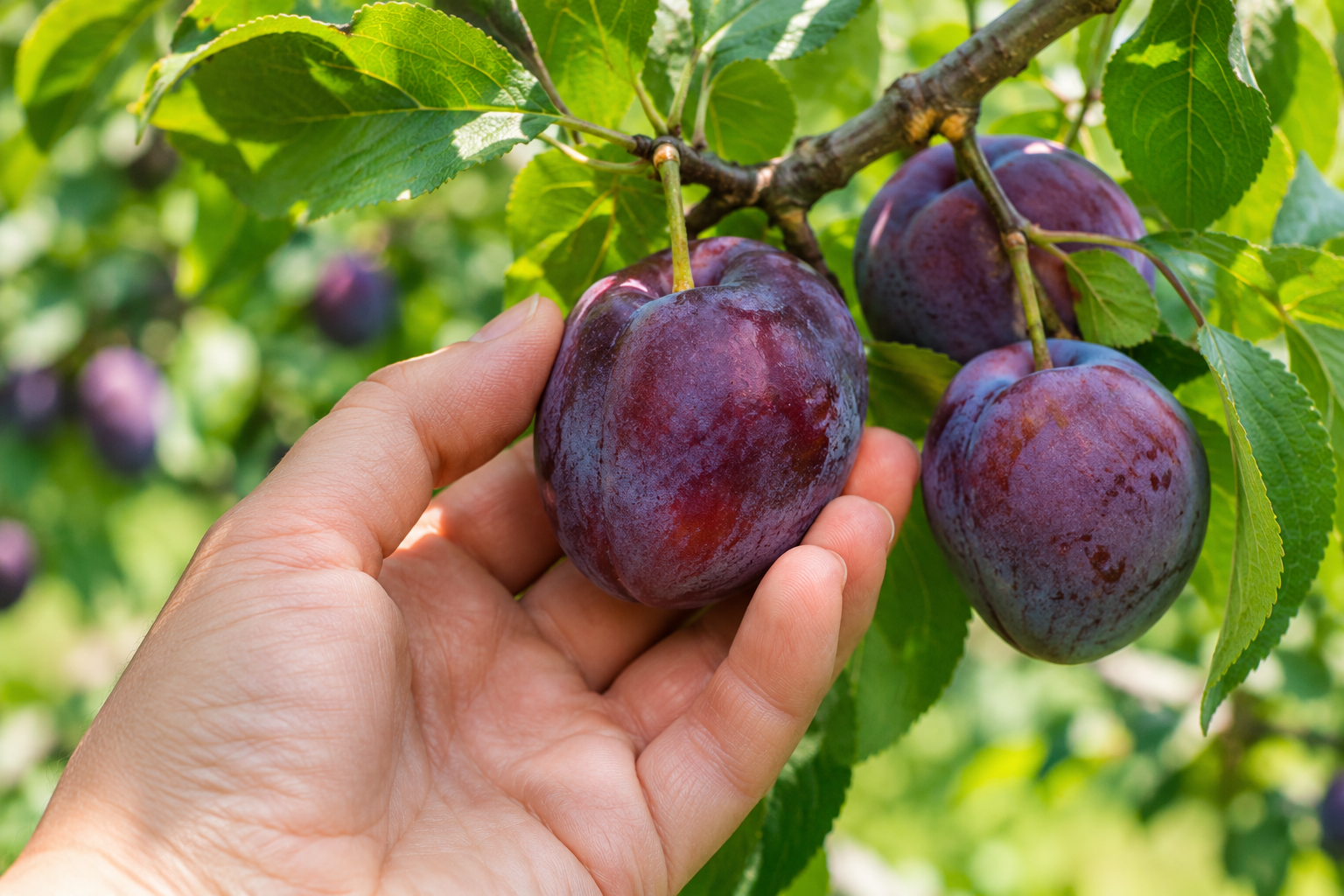
The best time to pick plums is when they are fully colored, slightly soft to the touch, and come off the branch with a gentle twist. For most varieties, this means the fruit has developed its characteristic deep purple, red, or yellow hue and a sweet aroma. However, exact timing depends on the specific cultivar, your local climate, and the care your tree receives.
Plums do not continue to ripen significantly after picking, so harvesting at peak ripeness is crucial for the best flavor and texture. Picking too early results in hard, sour fruit, while leaving them too long invites pests and overripening. By observing key indicators and using proper harvesting techniques, you can enjoy a bountiful crop of delicious homegrown plums.
How to Tell When Plums Are Ripe
Unlike some fruits, plums give clear visual and tactile cues when they are ready. Checking multiple signs together ensures you pick at the perfect moment.
Skin Color as a Ripeness Indicator
Plum ripeness is often first judged by skin color. Each variety has a mature color—deep purple, red, yellow, or green. The background color should be fully developed, with no green undertones (except in green-skinned varieties like 'Green Gage'). A powdery white bloom on the skin is natural and does not indicate ripeness.
Fruit Firmness and Feel
Gently squeeze the fruit; a ripe plum yields slightly to pressure but is not mushy. If it feels hard like an apple, it needs more time. The area near the stem should also show a slight give. Fruit firmness is a reliable indicator because plums soften as they accumulate sugars and lose starch.
Taste and Aroma
The surest test is to sample a plum. Ripe fruit tastes sweet and juicy, with varietal flavor. A ripe plum also emits a sweet, floral fragrance near the stem end. If it is tart and astringent, wait a few days and test another fruit.
How to Pick Plums Without Damaging the Tree or Fruit
Proper harvesting technique protects both the fruit and the tree, ensuring future productivity.
- Grasp the plum gently in the palm of your hand; avoid squeezing with fingertips.
- Lift and twist the fruit slightly. Ripe plums detach easily from the spur. If it resists, it is not ready.
- Place, don't drop, the plum into a shallow basket or bucket to prevent bruising.
- Harvest in stages: fruit on the same tree ripens over 1–3 weeks, so check every 2–3 days.
Never pull hard on the branch, as this can break spurs that produce next year's fruit. Use a fruit picker for high branches instead of climbing or shaking the tree.
Storing Fresh Plums
For best quality, consume plums soon after picking. If needed, store them unwashed in the refrigerator for up to 2–4 weeks, depending on variety. Let chilled plums come to room temperature before eating to enhance flavor. Plums can also be frozen, canned, or dried for long-term storage.
Growing Plum Trees for a Successful Harvest
Healthy, well-maintained trees produce better fruit and make ripeness easier to judge. Here is what you need to know from planting to seasonal care.
Choosing the Right Plum Tree for Your Space and Climate
Select a variety suited to your local climate and chill hours (the number of hours below 45°F/7°C needed for bud break). European plums (Prunus domestica) generally require more chill and tolerate colder climates, while Japanese plums (Prunus salicifolia) thrive in milder regions. Some hybrid plums fall in between.
Most plum trees need a compatible pollinator nearby, so check if your chosen variety is self-fertile or requires a second tree of a different cultivar. If space is limited, choose a self-fertile variety or plant a multi-grafted tree with two or more cultivars on one rootstock.
Dwarf and semi-dwarf rootstocks keep trees compact (6–12 feet tall), suitable for small gardens and containers. Standard trees can reach 20 feet or more. Consider available sunlight: plums need at least 6–8 hours of direct sun daily for good fruit production.
Planting, Drainage, and Soil
Plum trees prefer well-drained loamy soil with a pH of 6.0–6.5. Avoid low-lying areas where cold air and water collect. Dig a hole twice as wide as the root ball and no deeper, then backfill with native soil—no amendments—to encourage root spread. Water deeply after planting.
For container growing, use a pot at least 18–24 inches in diameter with drainage holes. Use a quality potting mix and place the container in a sunny spot. Container trees need more frequent watering and feeding than those in the ground.
Watering and Feeding
Young trees need 1–2 inches of water per week during the growing season. Established trees are somewhat drought tolerant but benefit from deep watering during fruit development. Avoid overhead watering to reduce disease.
Fertilize in early spring with a balanced fertilizer (e.g., 10-10-10) or compost. Avoid high-nitrogen feeds that promote leafy growth at the expense of fruit. Follow soil test recommendations for accurate dosing.
Seasonal Care Calendar
- Winter: Prune while dormant (see below), apply dormant oil for pests.
- Early spring: Fertilize, mulch, and monitor for pests and diseases.
- Late spring: Thin fruitlets to prevent branch breakage and improve fruit size—leave 4–6 inches between plums.
- Summer: Water consistently, watch for pests, and harvest ripe fruit.
- Fall: Clean up fallen fruit and leaves to reduce pest overwintering.
Pruning for Tree Health and Productivity
Prune plum trees annually to maintain an open center (vase shape) that allows light and air penetration. The best time is late winter or early spring before bud break, but avoid pruning in wet weather to reduce silver leaf disease risk.
For young trees, establish scaffold branches by selecting 3–5 main limbs. For mature trees, remove dead, diseased, crossing, and vertical shoots. Japanese plums bear fruit on short spurs and one-year wood, so thin out crowded growth. European plums fruit on older spurs and need lighter pruning. Always use sharp, clean tools.
Recognizing and Managing Common Plum Pests and Problems
Several pests and diseases can affect plums, but symptoms are often confused with each other or with environmental stress. Correct identification is key to effective control.
Common Pests and Symptoms
| Pest/Disease | Symptoms | Distinguishing Features | Prevention/Control |
|---|---|---|---|
| Plum curculio | Crescent-shaped scars on fruit, early fruit drop, grubs inside | Scar is distinct; adult beetle is snout-nosed | Clean up fallen fruit, apply kaolin clay or appropriate insecticide after petal fall |
| Aphids | Curled leaves, sticky honeydew, sooty mold | Insects visible on undersides of leaves | Encourage beneficial insects, spray with insecticidal soap or neem oil |
| Brown rot | Soft brown spots on fruit, gray spore masses | Rapid spread in humid weather; fruit mummifies | Remove infected fruit, prune for airflow, apply fungicide if severe |
| Silver leaf | Silvery sheen on leaves, branch dieback | Fungal disease enters through pruning wounds | Prune only in dry weather, sterilize tools |
Distinguishing Pests from Other Growing Problems
Nutrient deficiencies can mimic pest damage. Yellowing leaves with green veins indicates iron chlorosis (high soil pH), not insect feeding. Wilting despite moist soil could be root rot from poor drainage, not a pest. Sudden fruit drop may be natural thinning or lack of pollination, not necessarily curculio. Observe patterns: pests often affect scattered fruit or leaves, while cultural problems are more uniform.
Start with prevention: maintain tree health, clean up debris, and encourage natural predators. Use targeted controls only when pest populations reach damaging levels, and always follow label instructions.
How Long Until a Plum Tree Bears Fruit?
Fruiting timelines vary by rootstock and species. Grafted trees on dwarfing rootstocks may bear fruit in 2–4 years, while standard trees take 4–6 years. Trees grown from seed rarely produce good fruit and take much longer. Climate and care also affect yields: a well-tended tree in a suitable climate may produce 30–50 pounds of plums annually, but this varies widely.
By understanding the signs of ripeness and caring for your tree year-round, you can enjoy the sweet reward of homegrown plums at their peak.